“Learning through Experiential Continuity”
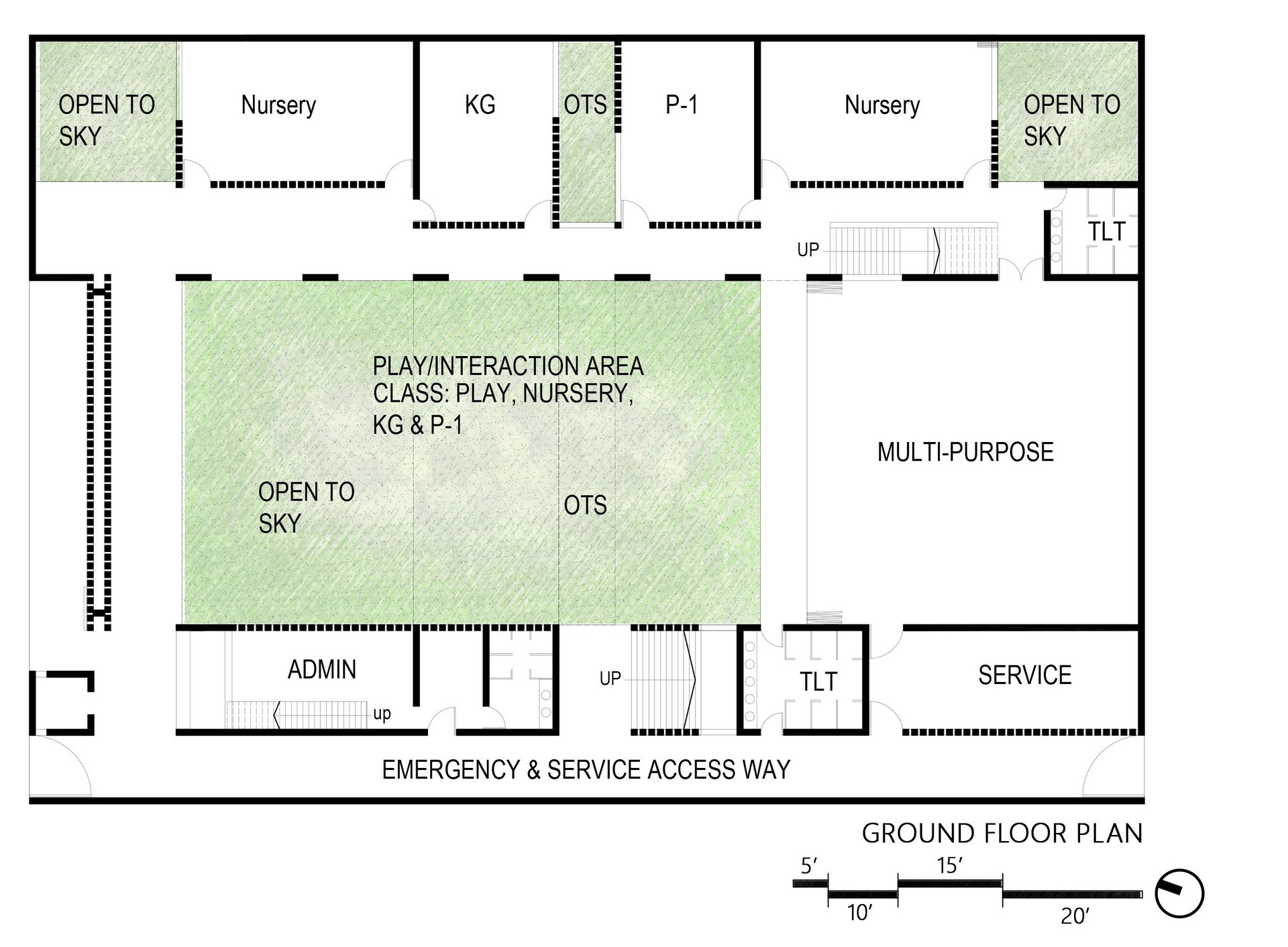
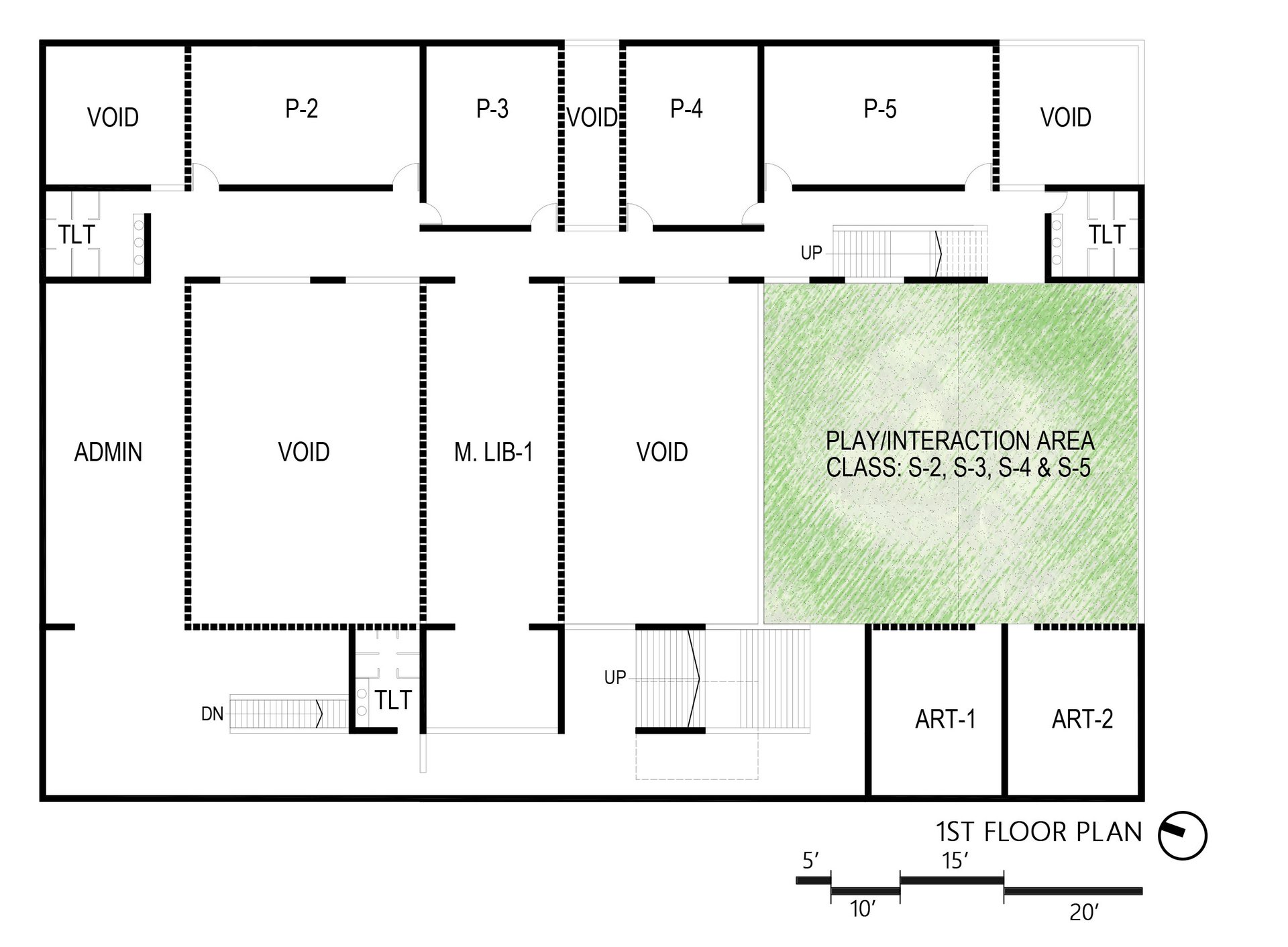
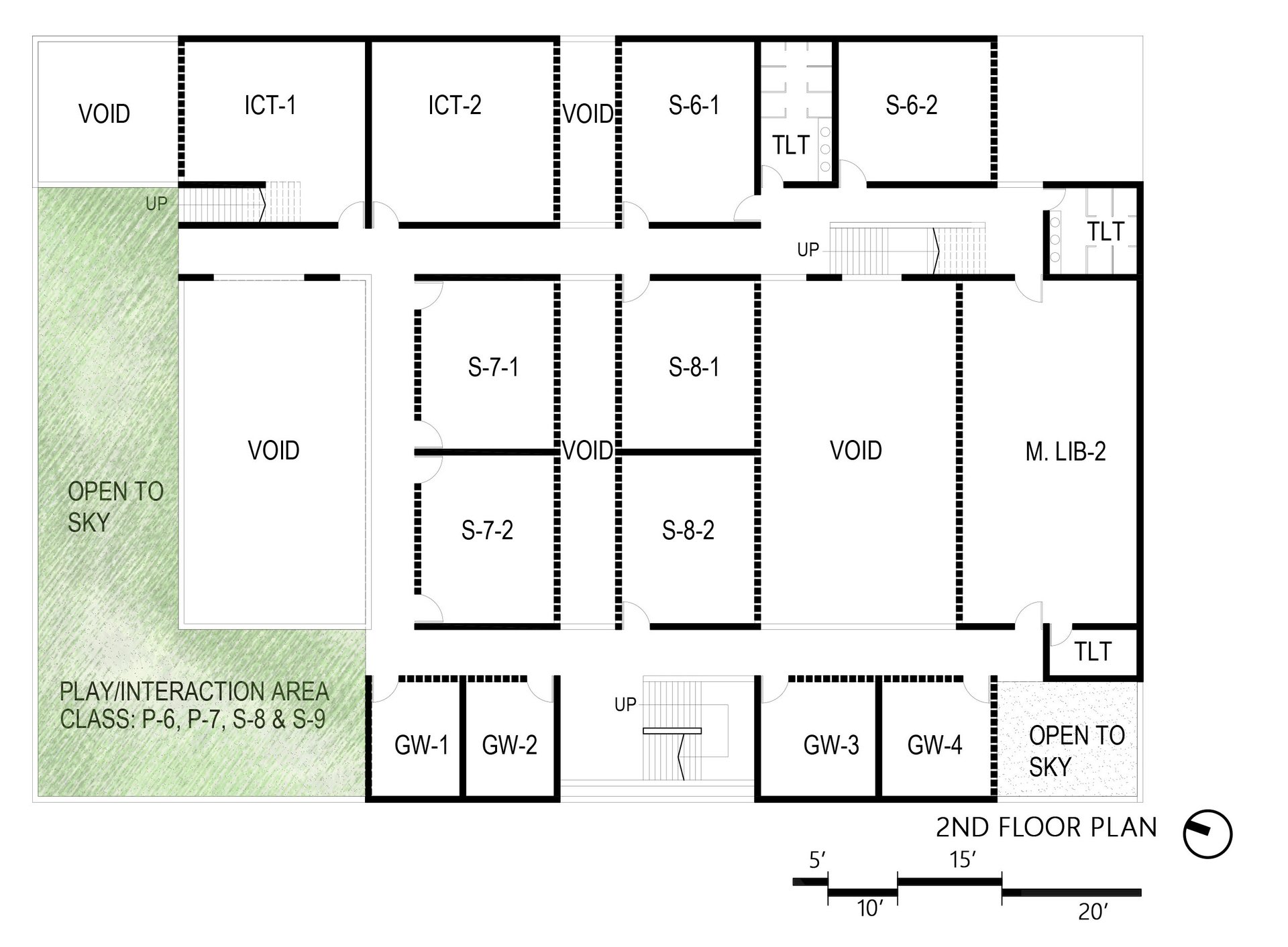
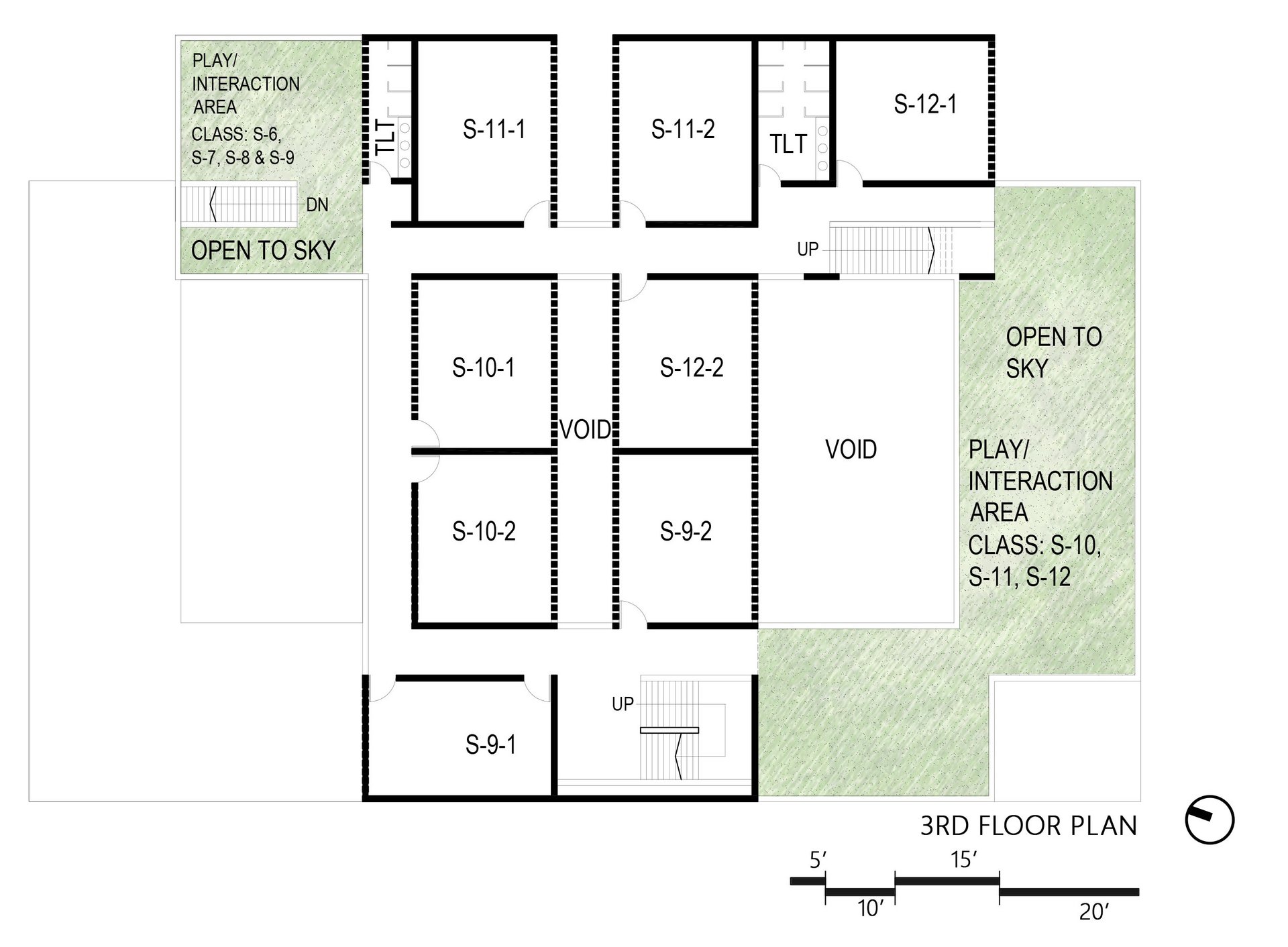
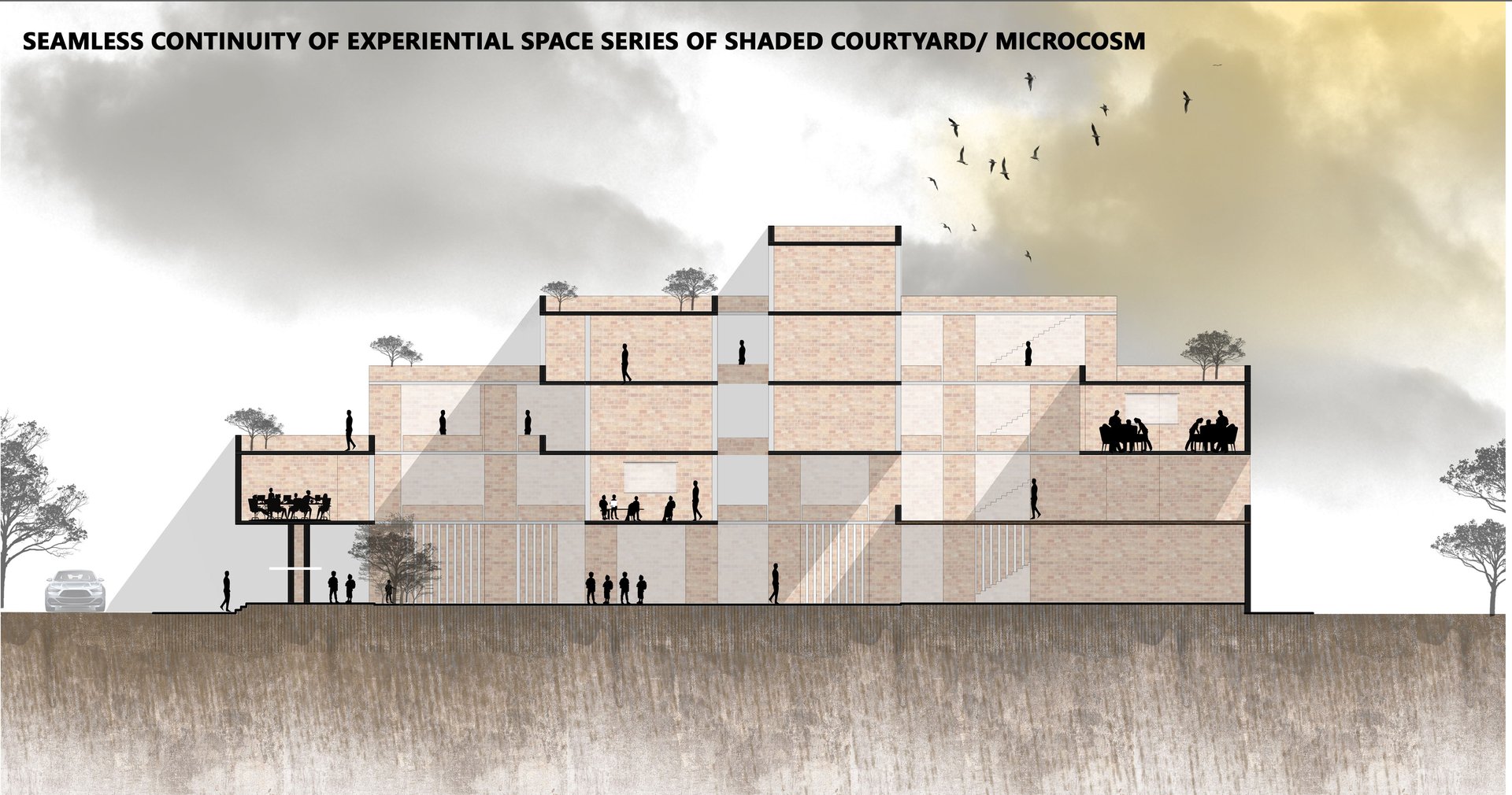
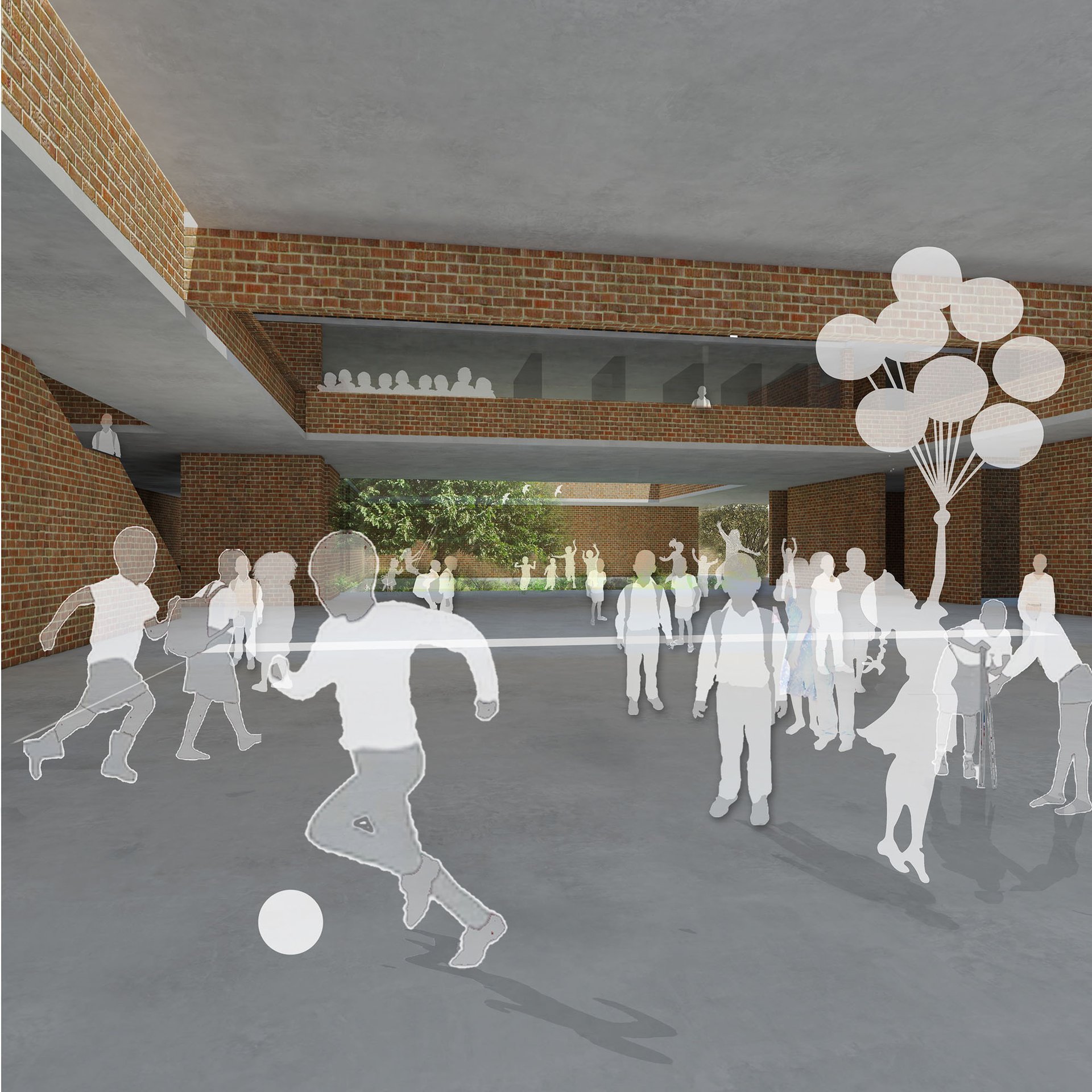
ENKO African Urban School is conceived as a compact educational microcosm where learning extends beyond the classroom into a continuous sequence of courtyards, shaded spaces, terraces, and shared social environments. The design is organized around the idea of a “seamless continuity of experiential space”, using a series of interconnected courtyards and voids to create a school that is simultaneously dense, open, and socially active. Rather than organizing the institution as a conventional corridor-and-classroom building, the project establishes a network of open-to-sky and shaded courtyards that become the primary spaces for interaction, play, gathering, and informal learning.
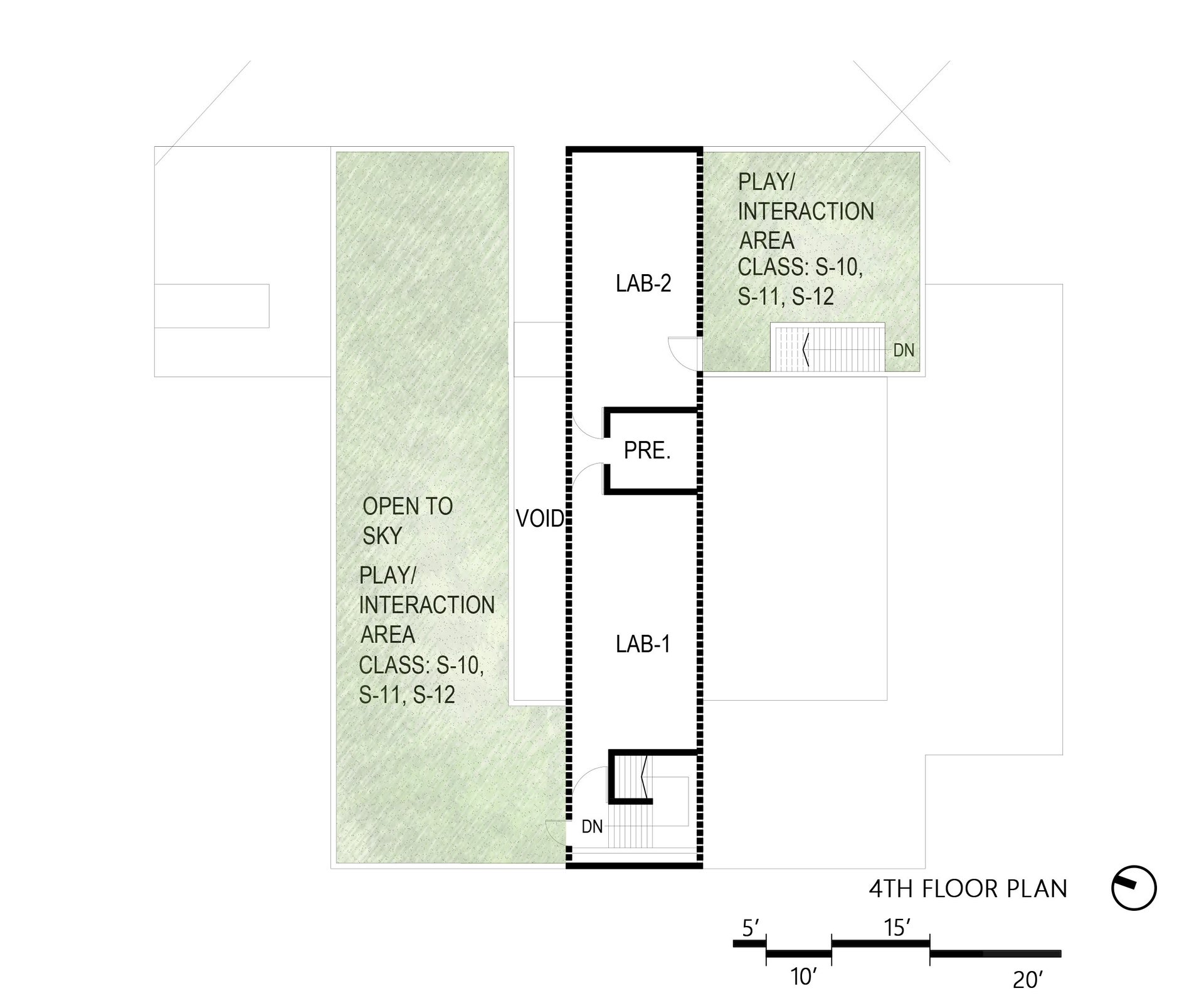
The plans demonstrate a clear layering of academic and communal functions around these voids. Classrooms, laboratories, administrative spaces, and other learning facilities are positioned along a central system of vertical circulation and shared open spaces, while designated play and interaction areas occupy prominent positions within the plan. The sectional organization reinforces this strategy by stacking these spaces vertically, allowing visual and experiential connections to develop between different levels. The courtyard therefore operates not simply as a landscape element but as the social infrastructure of the school.
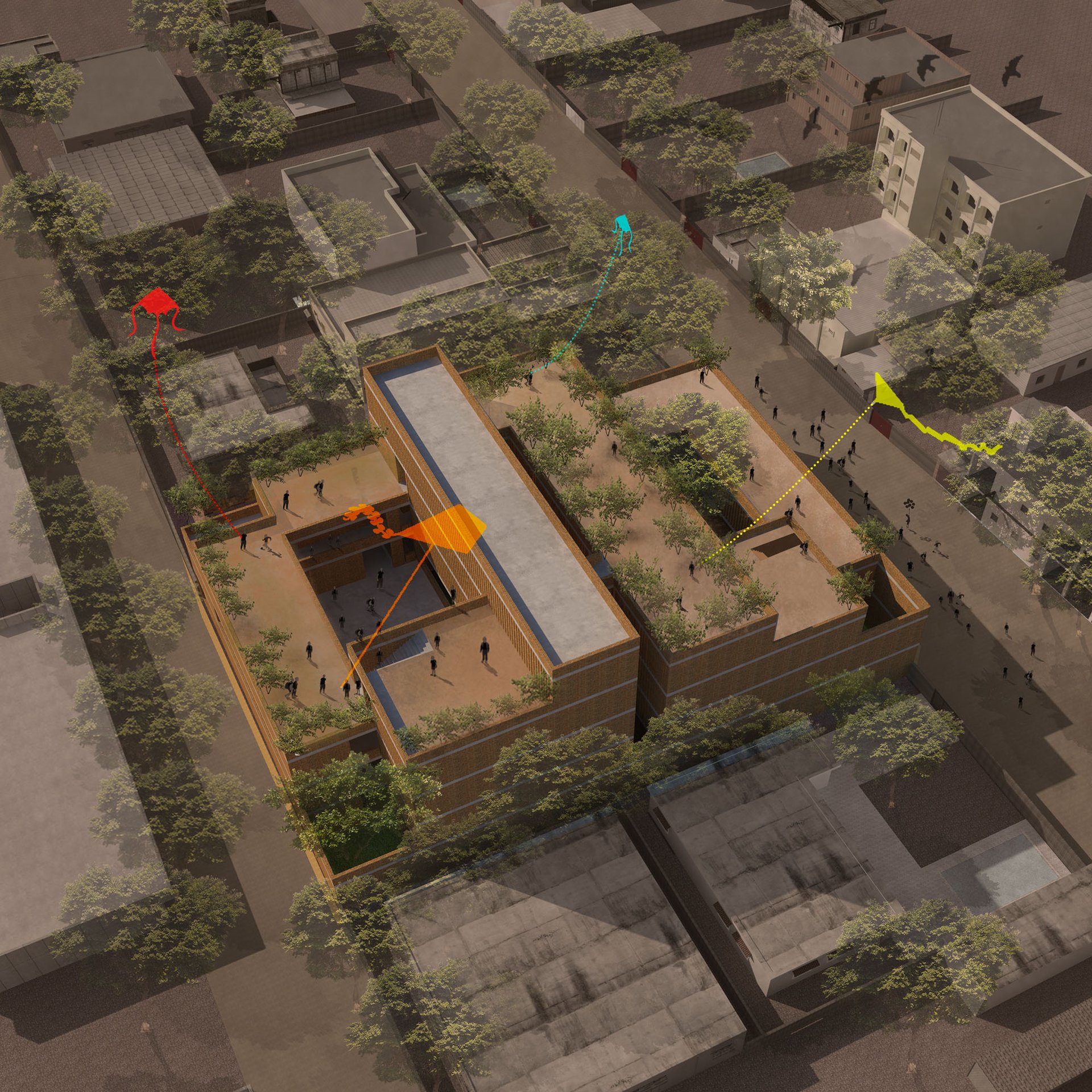
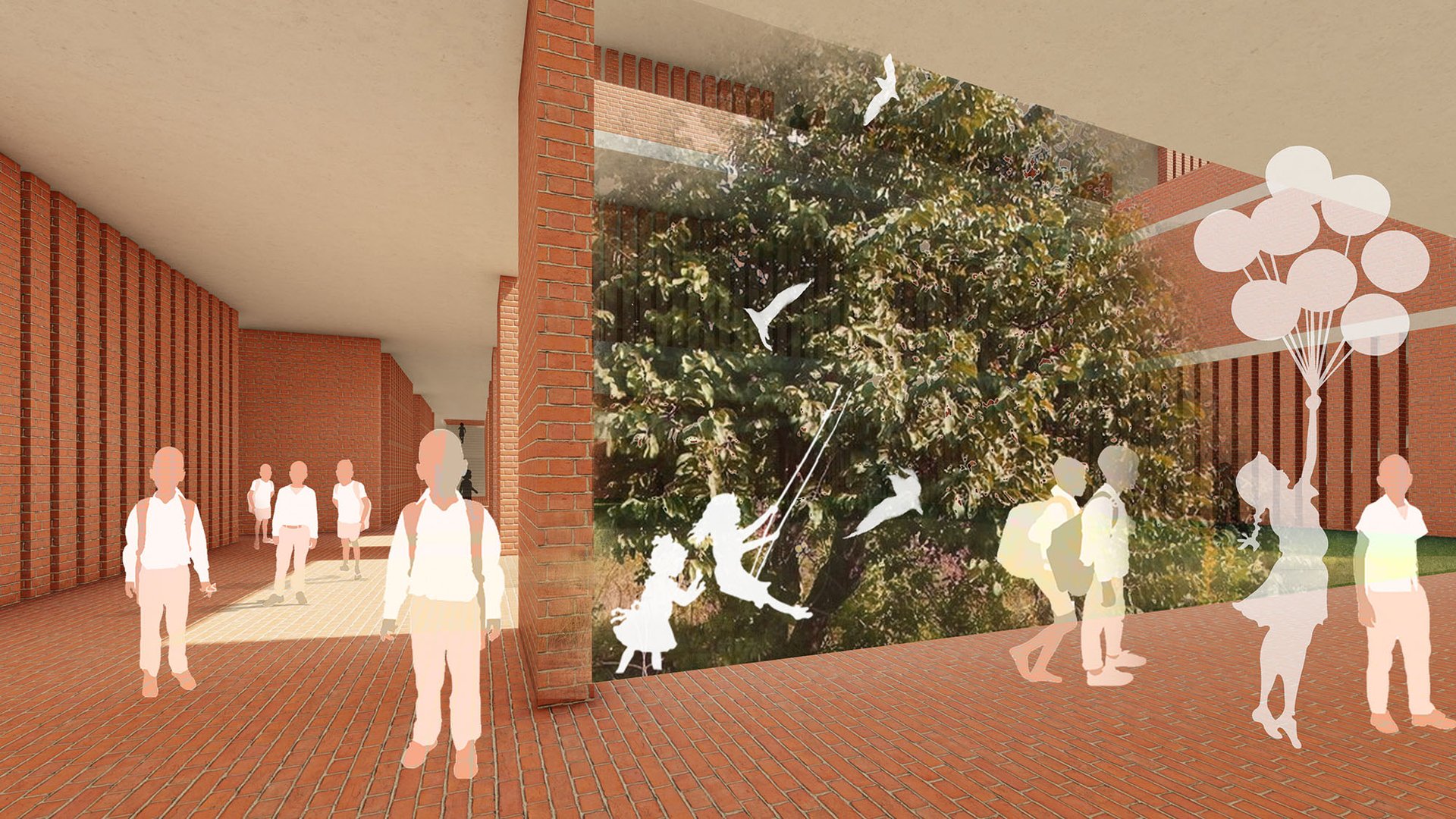
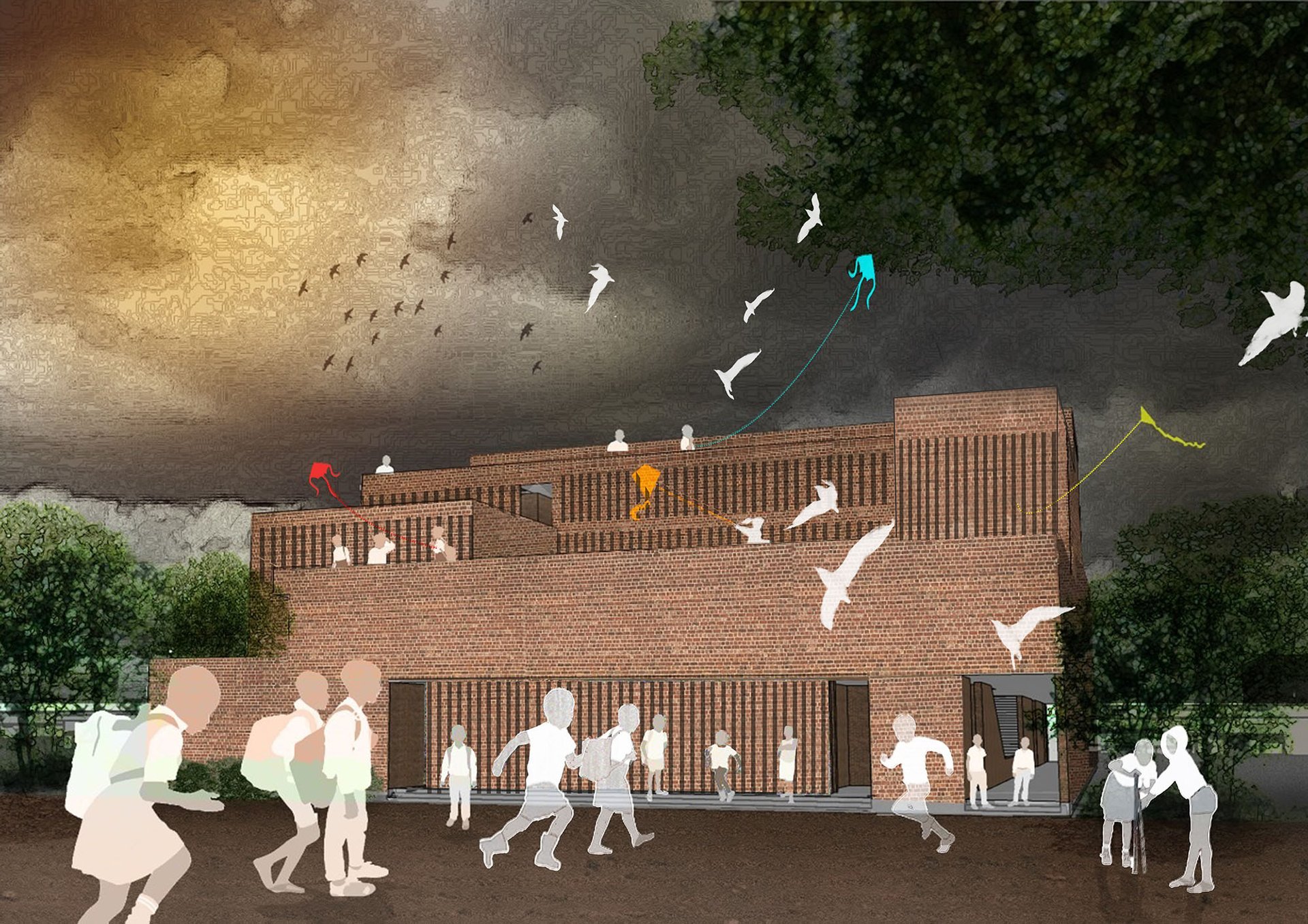
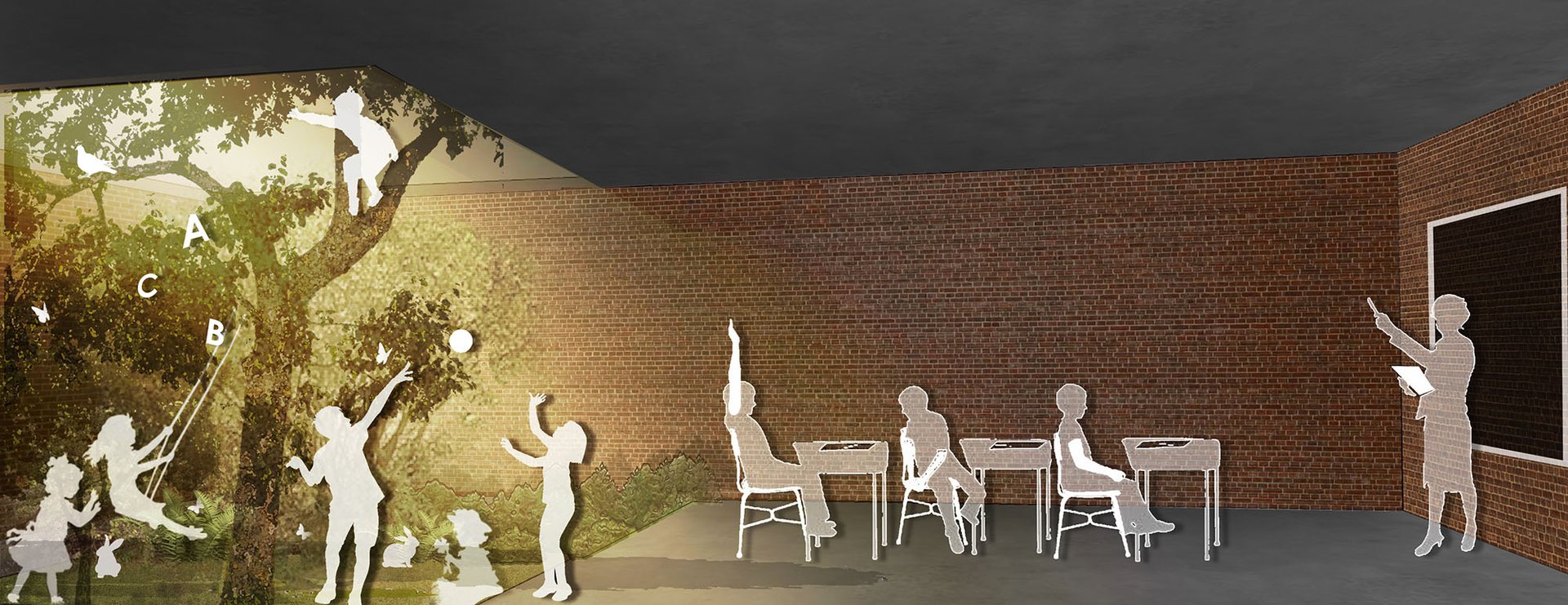
The architectural language responds to this concept through a composition of solid, earthen-toned volumes punctured by terraces, planted courtyards, and shaded openings. Landscape is brought into the heart of the building, creating moments of refuge within the intensity of an urban educational environment. The result is an architecture where movement itself becomes part of learning: students encounter different degrees of enclosure, sunlight, vegetation, activity, and community as they move through the school. The project consequently imagines the African urban school not as a static container for education, but as a living educational landscape; a small urban ecosystem in which learning, play, social interaction, and landscape continuously overlap.